Finding Clarity in an Ambiguous World
-

One Person At A Time
Sometime ago while my wife and I were living in India, she volunteered at a foster home for children whose parents had once had leprosy. Once those parents caught the disease their community ostracized them even after they were treated and cured. Unable to find a job, the parents struggled to provide food for their children much more…
-

Complaining without a cause
When my wife and I celebrated our anniversary, we decided to spend a couple of nights at a bed and breakfast. The B&B had the option of spending a little extra money to get a room with a hot tub. The idea of a hot tub sounded nice so we got that room but in…
-

The Fork In The Road
Almost 8 years ago, Jon Oliver on the Daily Show decided to explore whether a new particle collider was going to destroy the earth as we know it. While the physicist working with the collider stated that there was no chance this would cause such a problem. However, a science teacher who brought suit to stop…
-

Recovery From The Muddled Life
We all remember with fascination playing with paints as kids and the joy mixing them together creating new colors. The exciting discovery of a new purple from a brilliant red and a calm blue drove us to mix more and more colors together until we had the brilliant idea to mix ALL of them together!…
-

Dealing With Frustration
We were sitting at a our 10th red light surrounded by cars everywhere. Anxiously wishing we were at our destination, the light turned green and …. nothing, just lots and lots of brake lights. Glare back at the light still green, yet no movement. Now it’s turning yellow and one car made it through the…
-
The Adventure of R&D
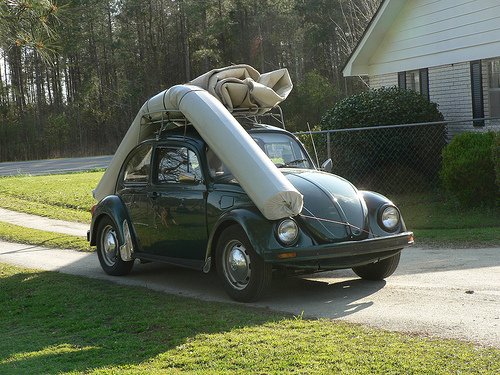
Ever seen those cars trucking down the road with stuff hanging out the sides and wonder how they could think they need so much? Maybe more close to home, how often after a trip do we unpack and put away clothes we never used and books we never read? We tend to plan for every…
-

The Bullsh*t we tell ourselves about bullsh*t
“Look, she’s been proven to be a liar in so many different ways. This is just another lie,” – Donald Trump It’s hard to believe anyone found this statement credible from a man who clearly didn’t care for whether or not his statements were true – he made them for rhetorical effect. Those who supported…
-

Running The Project Gauntlet
Every time I go for a longer run, I experience almost the same mental states, all of which feel like they will never end even though I’ve experienced them before. It starts with feeling fresh and excited; I look at my pace and see I’m running faster than typical and I’m not even out of…
-

Thrashing
Swimming has been a part of my life as far back as I can remember. I used to go swimming regularly with my cousins at my grandparents pool and lived close enough to the ocean to swim there occasionally. I even remember doing an open water swim (probably 300m) in a small mountain lake when…
-

Demonstrate Transparancy To Receive Transparency
A wise leader once told me, it’s not the problems that managers know about that cause them to get fired, it’s the ones they never see coming. As such, he made sure that his people told them of all the problems they were running into or heard about. This message was so entrenched that one…
Got any book recommendations?